In 2024 I made twenty Pride graphics for Episcopal congregations and shared them with anyone who wanted them. The range was deliberate — from quietly faithful to unambiguously bold, because I knew that not every church could post "God Bless Trans Folx" and not every church should be expected to. I offered them as JPEGs. I tried to make them available as Canva templates, but Canva had quietly monetized that feature and the workaround evaporated. I looked at Google Slides. The work required to do it properly was prohibitive, and at the end of it I still would have had no way of knowing whether anyone used them, when, or how.
That last part is the one that stayed with me.
The graphics were a one-sided effort. I made them, I sent them out, and they disappeared into the world with no feedback loop, no customization, no way for a church to make them theirs. Some people said kind things. Some people used them. But I had no way to know what landed, what fell short, or what people wished they could say but couldn't find a way to say.

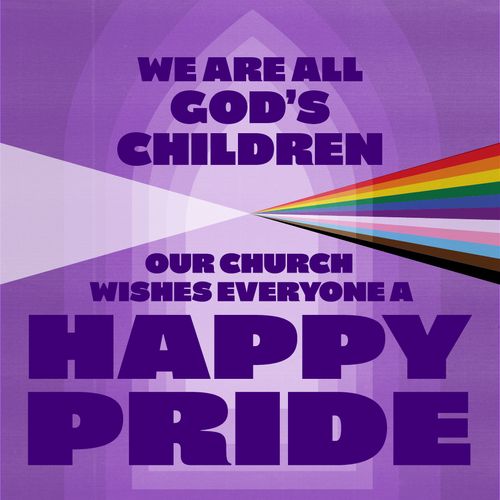

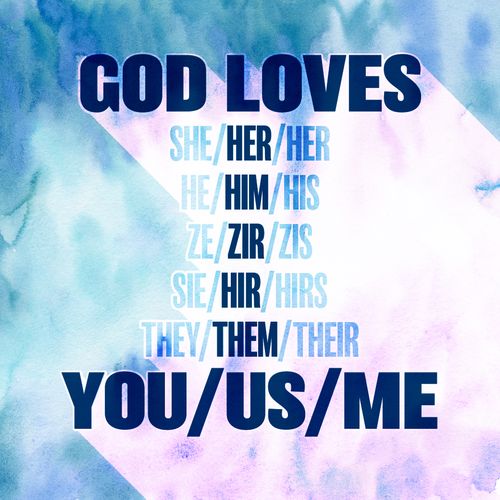
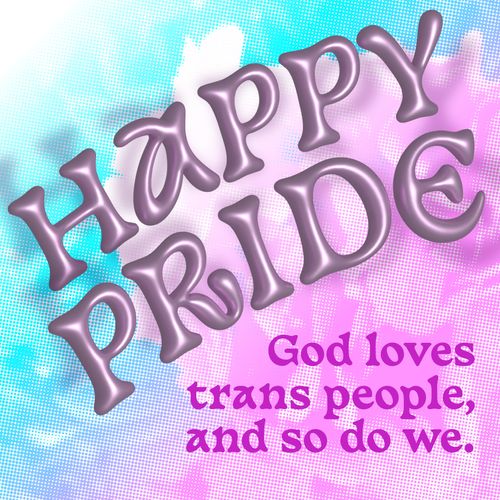
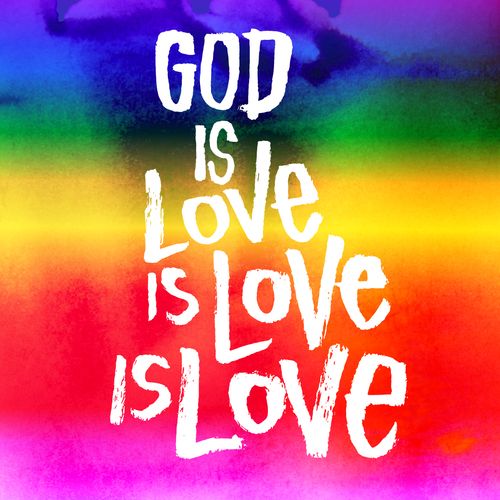
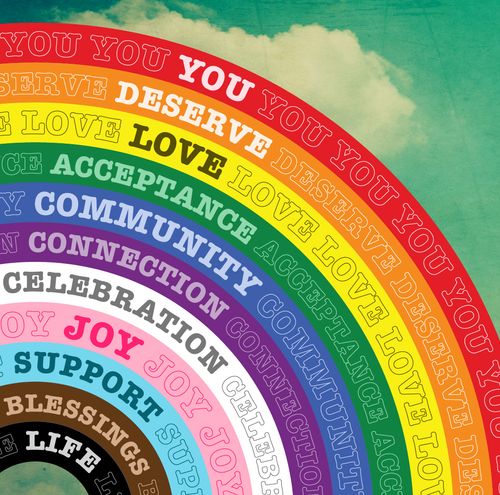

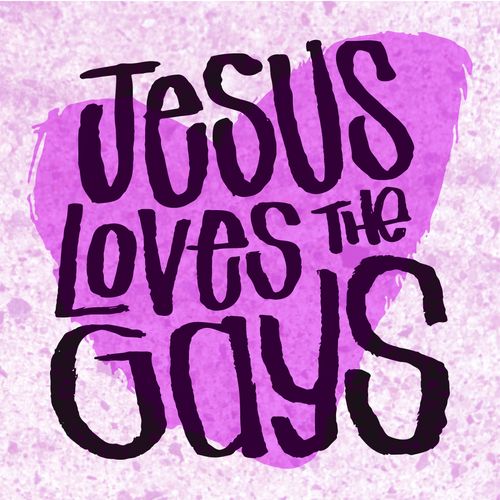
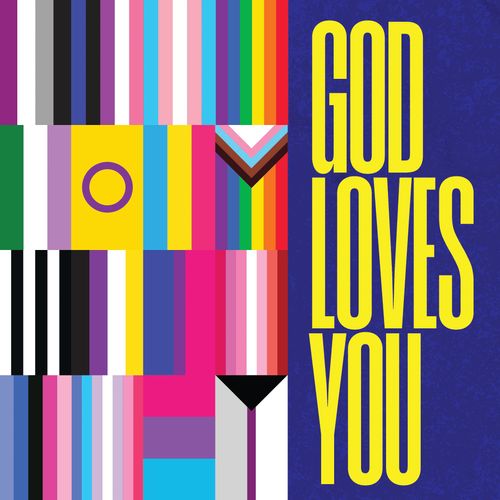

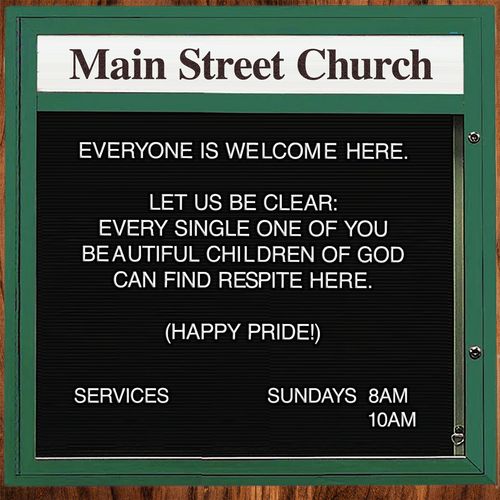
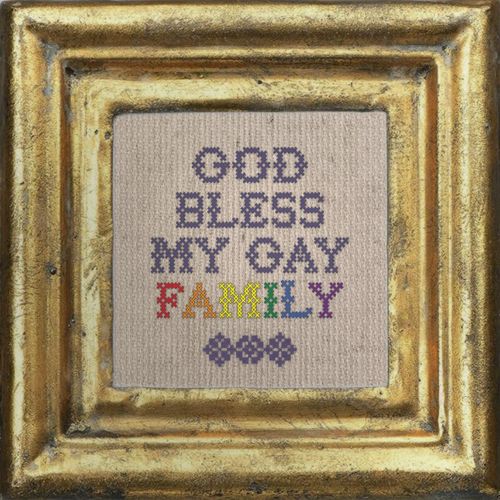
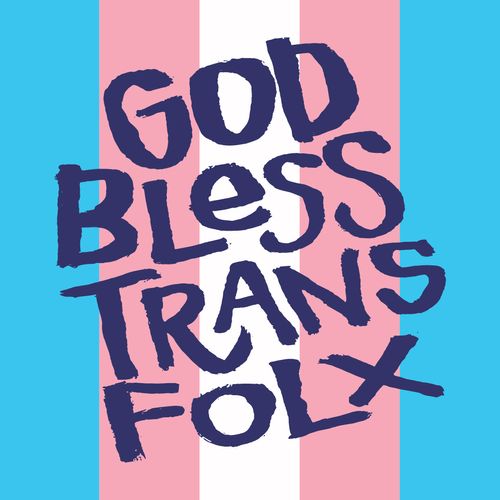

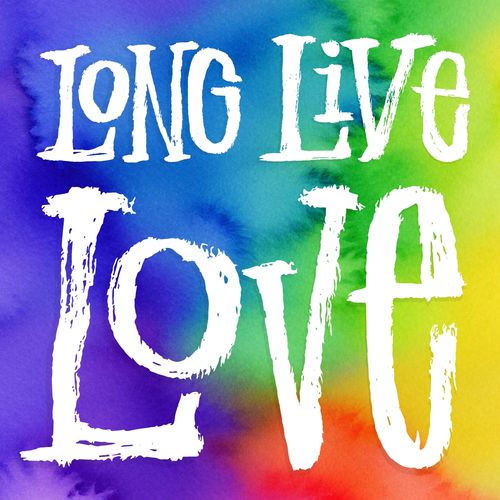

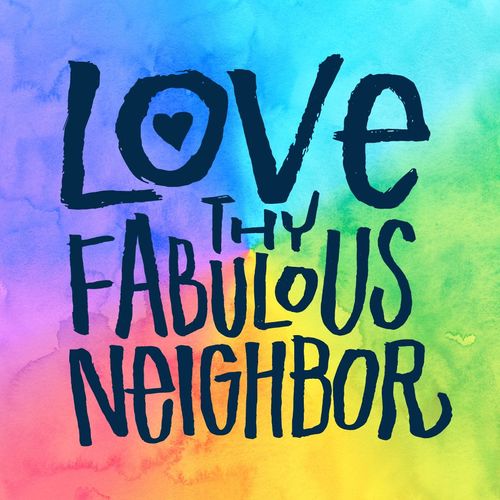


These are still free to use. Download any of them directly from this page. If they work for your church, use them. But they remain what they always were — a starting point, not a solution.
What I Wanted to Build Instead
I know firsthand that in some places, ebullient Pride is dangerous — not abstractly, but concretely, for real people in real congregations. I would never want fear or hostility to determine what a church says about its queer members. But I also know that a communicator working in a conservative suburb is navigating something genuinely different from one working in a queer-led urban congregation, and the tool that serves one has to be honest about the other.
Genuine welcome is not one-size. It is specific, contextual, and sometimes costly. The goal of everlovingpride.com is not to tell churches how bold they should be. It is to give them the tools to be as honest as they can, wherever they are, and to keep stretching.
The graphics from 2024 were a first wave. This is what comes next.